
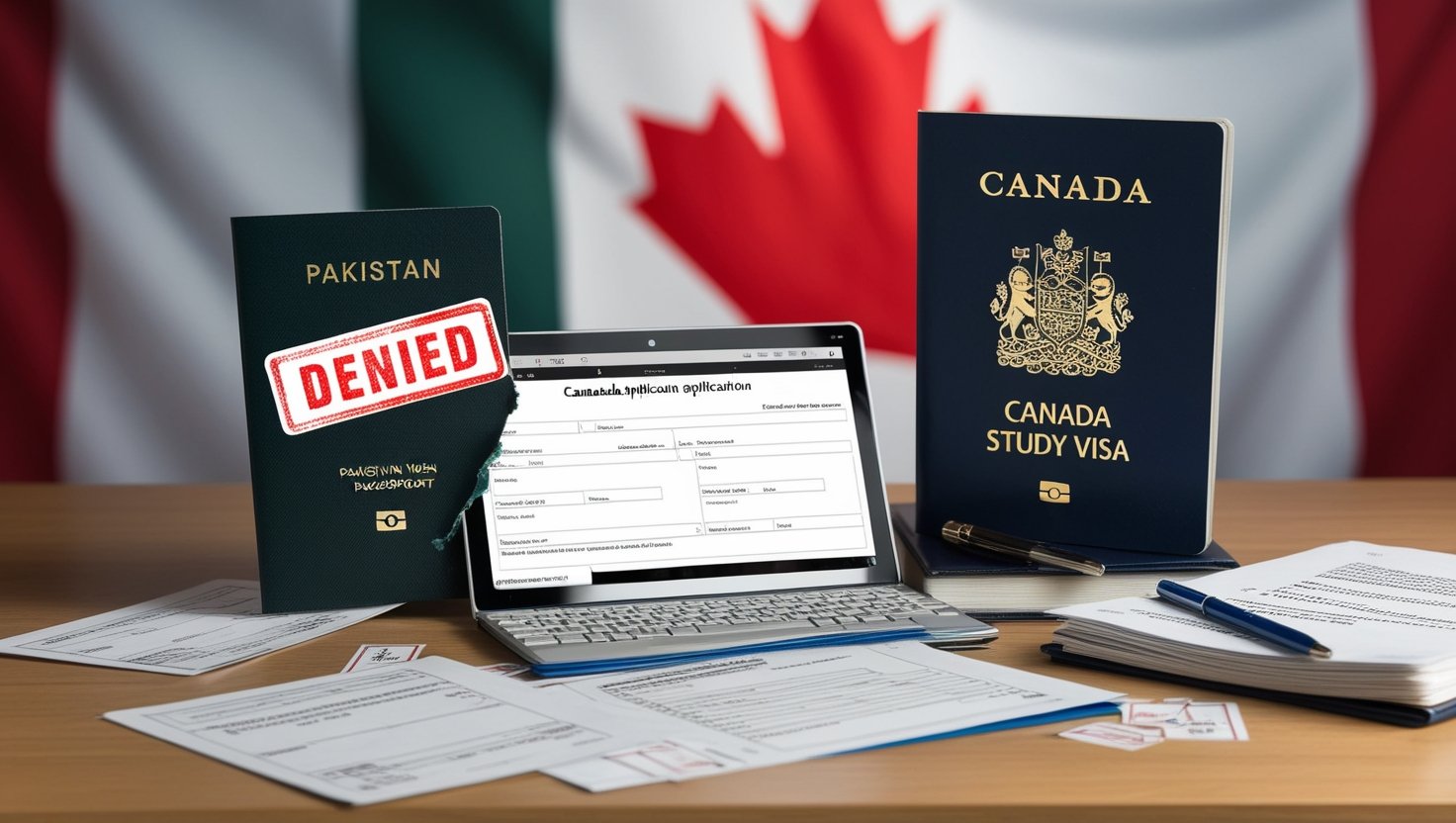
Canada is one of the most popular destinations for Pakistani students seeking world-class education. However, applying for a Canada study visa can be challenging, especially if you’re not familiar with the process. Many applicants make mistakes that lead to delays or even rejections. To increase your chances of success, here are the top mistakes Pakistanis make when applying for a Canada study visa and how to avoid them.
1. Submitting Incomplete Documentation
Why it’s a Problem:
The Immigration, Refugees and Citizenship Canada (IRCC) has strict requirements for study visa applications. Missing or incomplete documents can result in immediate rejection.
How to Avoid It:
Ensure you include all required documents, such as:
- A valid passport
- Letter of acceptance from a Designated Learning Institution (DLI)
- Proof of financial support
- Proof of payment for tuition fees
- English or French language proficiency test results
- Study plan or statement of purpose
Double-check your application against the IRCC’s document checklist before submission.
2. Providing Insufficient Proof of Financial Support
Why it’s a Problem:
One of the main requirements for a study visa is demonstrating that you have enough funds to cover tuition fees, living expenses, and travel costs. Insufficient proof can lead to visa refusal.
How to Avoid It:
- Show bank statements for the last four to six months.
- Include proof of scholarships, student loans, or sponsorships.
- Provide documentation for any additional sources of income, such as family support.
3. Poorly Written Statement of Purpose (SOP)
Why it’s a Problem:
The SOP explains why you want to study in Canada, your career goals, and your plans after graduation. A weak or vague SOP can make your application appear unconvincing.
How to Avoid It:
- Be clear and specific about your academic and career goals.
- Highlight why you chose Canada and your selected institution.
- Avoid generic statements; personalize your SOP to reflect your unique circumstances.
4. Not Meeting Language Proficiency Requirements
Why it’s a Problem:
Language proficiency is crucial for studying in Canada. Many Pakistani applicants fail to meet the minimum IELTS, TOEFL, or other language test scores required by their institution.
How to Avoid It:
- Research the specific language requirements of your chosen DLI.
- Take practice tests and enroll in preparation courses if needed.
- Retake the test if your initial scores do not meet the required benchmarks.
5. Applying Without Understanding Immigration Ties
Why it’s a Problem:
The IRCC evaluates your ties to Pakistan to ensure you’ll return after completing your studies. A lack of strong ties can result in your application being flagged for potential overstay.
How to Avoid It:
- Demonstrate strong family, property, or business ties in Pakistan.
- Clearly outline your post-study plans in your SOP, showing your intention to return.
6. Ignoring Deadlines
Why it’s a Problem:
Late applications can result in missed study opportunities and visa processing delays.
How to Avoid It:
- Start your application process early, ideally six months before your course begins.
- Monitor deadlines for your institution’s admissions and IRCC’s visa applications.
7. Relying on Unauthorized Consultants
Why it’s a Problem:
Some applicants fall victim to fraud by relying on unlicensed consultants who provide incorrect or misleading information.
How to Avoid It:
- Work with licensed immigration consultants or lawyers registered with the College of Immigration and Citizenship Consultants (CICC).
- Verify any consultant’s credentials before seeking assistance.
8. Failing to Understand Visa Categories
Why it’s a Problem:
Some students apply under the wrong visa category, such as a visitor visa instead of a study permit, leading to rejections.
How to Avoid It:
- Research the differences between study permits and other visa types.
- Ensure you select the correct category and submit relevant documentation.
9. Ignoring Medical Examination Requirements
Why it’s a Problem:
Pakistani applicants are required to undergo a medical examination by a panel physician approved by the IRCC. Neglecting this requirement can delay your application.
How to Avoid It:
- Schedule your medical exam early in the application process.
- Keep all receipts and reports from the medical examination for submission.
10. Providing False or Misleading Information
Why it’s a Problem:
Submitting fraudulent documents or providing inaccurate information can lead to a ban from entering Canada.
How to Avoid It:
- Be honest and transparent in your application.
- Double-check all information to ensure accuracy.
Conclusion
Applying for a Canada study visa is a significant step for Pakistani students aiming to pursue higher education abroad. By avoiding common mistakes such as incomplete documentation, insufficient financial proof, and poorly written SOPs, you can improve your chances of success. Start early, stay organized, and seek professional guidance when needed. With the right approach, your dream of studying in Canada can become a reality!