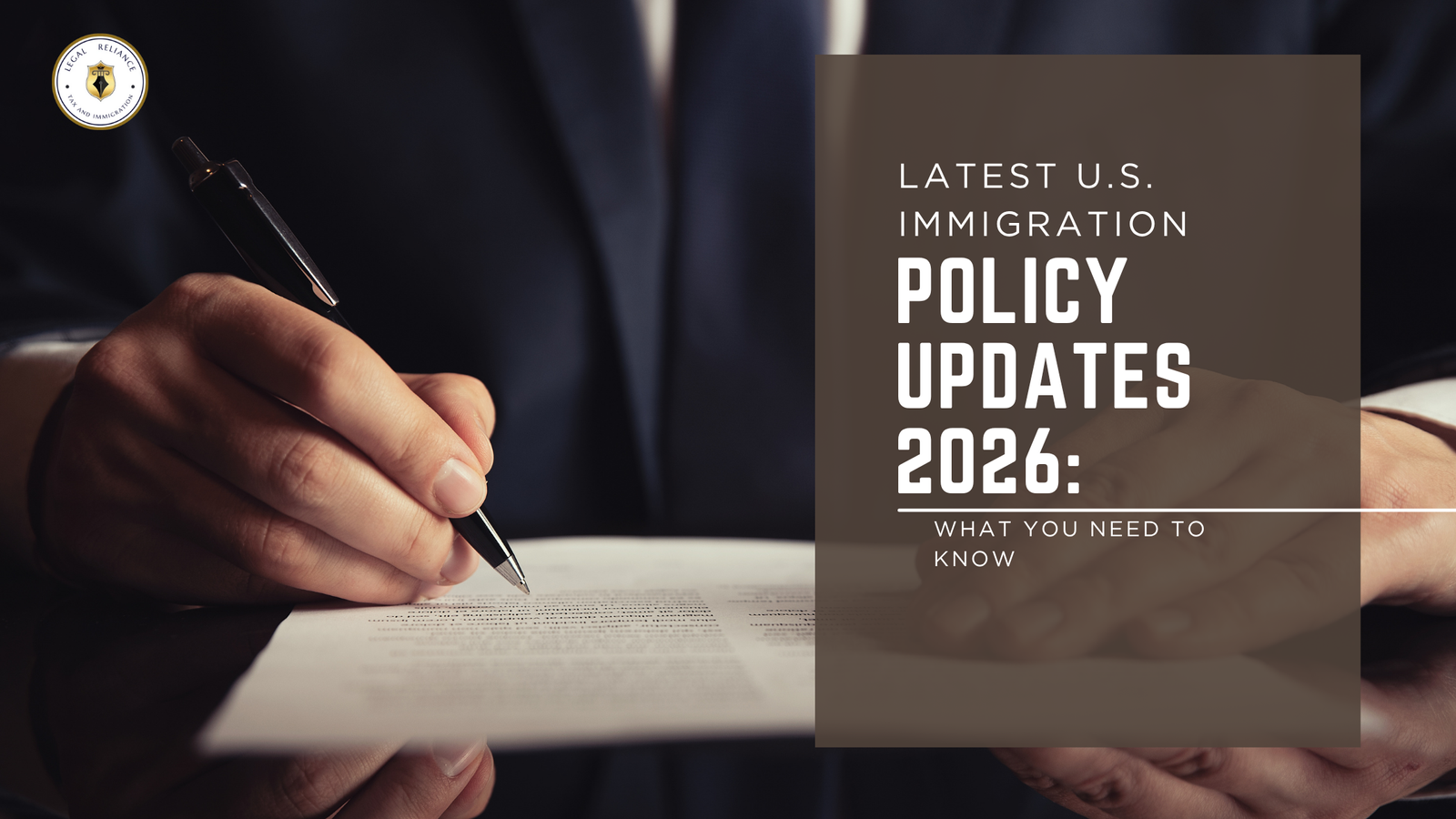
The year 2026 marks one of the most transformative periods in modern U.S. immigration policy, shaping how students, skilled workers, and families apply for entry, residency, or citizenship. Recent USCIS updates, visa reforms, and immigration enforcement changes are redefining how long applications take, who qualifies for visas, and what rules govern reentry and work authorization. The Biden administration’s immigration agenda now influenced by strong bipartisan debates focuses on tightening border enforcement while still promoting skilled labor migration, humanitarian protection, and family reunification. For anyone planning to move, study, or work in America, understanding these 2026 updates is essential.
Among the most notable changes is the H-1B visa program reform. The fiscal year 2026 H-1B cap has been reached, signaling continued high demand for tech and STEM-related jobs. USCIS is improving its digital lottery system to reduce fraud and enhance transparency, while introducing stricter compliance checks for sponsoring employers. Similarly, L-1 intracompany transfer and O-1 extraordinary ability visas are seeing procedural refinements designed to shorten review times for qualified professionals. Meanwhile, the F-1 student visa and OPT/STEM OPT extensions continue to evolve, with USCIS emphasizing real-time reporting of employment changes and stricter oversight of Designated School Officials (DSOs).
On the humanitarian front, Temporary Protected Status (TPS) and asylum policies remain in flux. The U.S. Supreme Court recently upheld partial authority to withdraw TPS from certain nationalities while simultaneously granting temporary extensions for others, creating a complex environment for migrants seeking refuge. Immigration courts, already burdened by record case backlogs, are adopting remote hearings and digital filing systems in 2026 to expedite asylum and deportation proceedings. These shifts aim to balance efficiency with due process amid a growing migrant population at the southern border.
Another critical development is the expansion of biometric verification and digital entry-exit tracking. All travelers whether on visitor visas, Green Cards, or employment authorizations will now undergo biometric data capture upon departure to combat visa overstays. This change underscores the Department of Homeland Security’s effort to maintain tighter border controls and verify lawful entries and exits. Additionally, a new E-Verify mandate requires federal contractors and large employers to confirm work authorization electronically, ensuring stricter compliance with U.S. labor laws.
Green Card processing has also experienced structural improvements. USCIS is prioritizing family-based petitions, reducing interview delays, and implementing AI-assisted document screening to identify errors faster. Employment-based Green Cards are shifting toward STEM and healthcare sectors to fill national labor shortages. At the same time, the Diversity Visa (DV) Lottery 2027 program remains active, with new digital safeguards and region-based quotas ensuring fairer selection and reduced fraud.
For those adjusting status or applying for reentry, Advance Parole and Reentry Permit procedures have become more streamlined, though applicants must now provide stronger justifications for extended international travel. The penalties for visa overstays and unlawful presence remain severe triggering three- or ten-year bans so applicants are urged to monitor their I-94 expiration closely. Immigration attorneys recommend filing extensions or status changes at least 45 days before expiry to maintain lawful presence.
In 2026, compliance and documentation accuracy are more important than ever. The smallest discrepancy like a missing I-797 notice or outdated employment letter can delay approvals. Applicants should keep digital and printed records of all USCIS correspondence, monitor official updates, and seek professional immigration guidance for complex cases.
In conclusion, the 2026 U.S. immigration policy updates emphasize modernization, digital compliance, and accountability. From H-1B reforms and biometric tracking to new TPS rulings and Green Card priorities, every immigrant or visa applicant must stay informed to protect their status. As America continues balancing security with opportunity, the key to success lies in timely applications, accurate documentation, and awareness of evolving USCIS rules. Staying proactive today ensures smoother immigration pathways tomorrow.